

Unique among warblers, the Black-and-white Warbler moves mostly by clinging to tree bark and creeping like a nuthatch. It probes its longish, slightly curved beak into cracks and crevices in search of its insect prey. Its foraging habits and monochrome colour scheme make it one of the easiest warblers to identify.


Black-and-white Warbler
Mniotilta varia
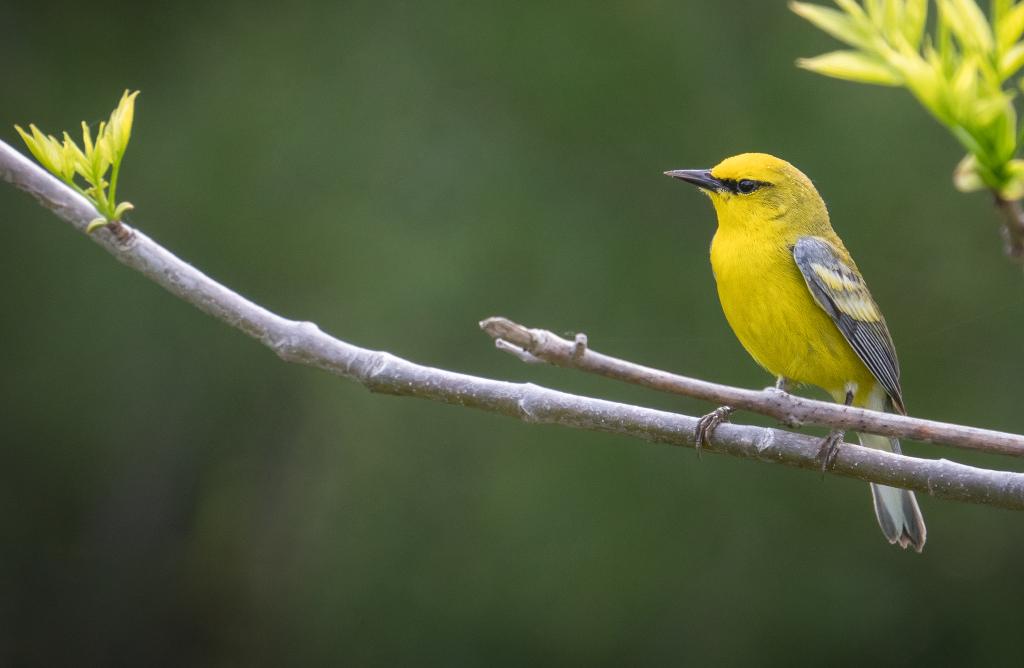
Photo:
The State of Canada's Birds is presented in partnership by Environment and Climate Change Canada and Birds Canada.
 Black-and-white Warbler
Status and Trends
Distribution
Methods
The State of Canada's Birds is presented in partnership by Environment and Climate Change Canada and Birds Canada.
Did you know
Summary
Trend
Little Change
Confidence: High
Goal
Within Goal Range
The Black-and-white Warbler is a widespread and common species of Canada's woodlands, ranging from Alberta to the Atlantic coast. It winters from the southeastern United States into northern South America, including the Caribbean. There are approximately 13 million individuals in Canada, representing 72% of the global population and a high degree of Canadian responsibility. Data from the Breeding Bird Survey show that there has been little change in the Canadian population relative to 1970. Confidence in this assessment is high, because the Breeding Bird Survey samples much of the Canadian range and has high precision in its trends. The national population of Black-and-white Warbler is within its goal range.
Migration Strategy

Short-distance

Long-distance
Canadian Responsibility

Population Estimates

Breeding
13,000,000

Annual
13,000,000

Global
18,000,000
Related readings
Summary report


 View the report
Trends from this species and others are rolled up into The State of Canada’s Birds Summary Report. Follow the link below to view the report, learn more about birds in Canada, and see how we can all help birds.
This species is included in the following analysis groups for the report:
Long-Distance Migrants
Forest Birds

Environment and Climate Change Canada and Birds Canada. 2024. The State of Canada’s Birds – Black-and-white Warbler. Data accessed from NatureCounts, Birds Canada.
https://doi.org/10.71842/tr0y-hx33
The State of Canada's Birds is presented in partnership by Environment and Climate Change Canada and Birds Canada.
Did you know
Unique among warblers, the Black-and-white Warbler moves mostly by clinging to tree bark and creeping like a nuthatch. It probes its longish, slightly curved beak into cracks and crevices in search of its insect prey. Its foraging habits and monochrome colour scheme make it one of the easiest warblers to identify.
Distribution and Occurrence
16880
Loading...

Get Involved
Citizen Science is vital to monitoring birds in Canada. Participating in programs like the ones below helps monitor this species.



Become a Citizen Scientist today!
Follow the link below to learn about more programs that you can participate in to help monitor birds in Canada.
Learn more
Related readings
Summary report
View the report
Trends from this species and others are rolled up into The State of Canada’s Birds Summary Report. Follow the link below to view the report, learn more about birds in Canada, and see how we can all help birds.
This species is included in the following analysis groups for the report:
Long-Distance Migrants
Forest Birds
Environment and Climate Change Canada and Birds Canada. 2024. The State of Canada’s Birds – Black-and-white Warbler. Data accessed from NatureCounts, Birds Canada.
https://doi.org/10.71842/tr0y-hx33